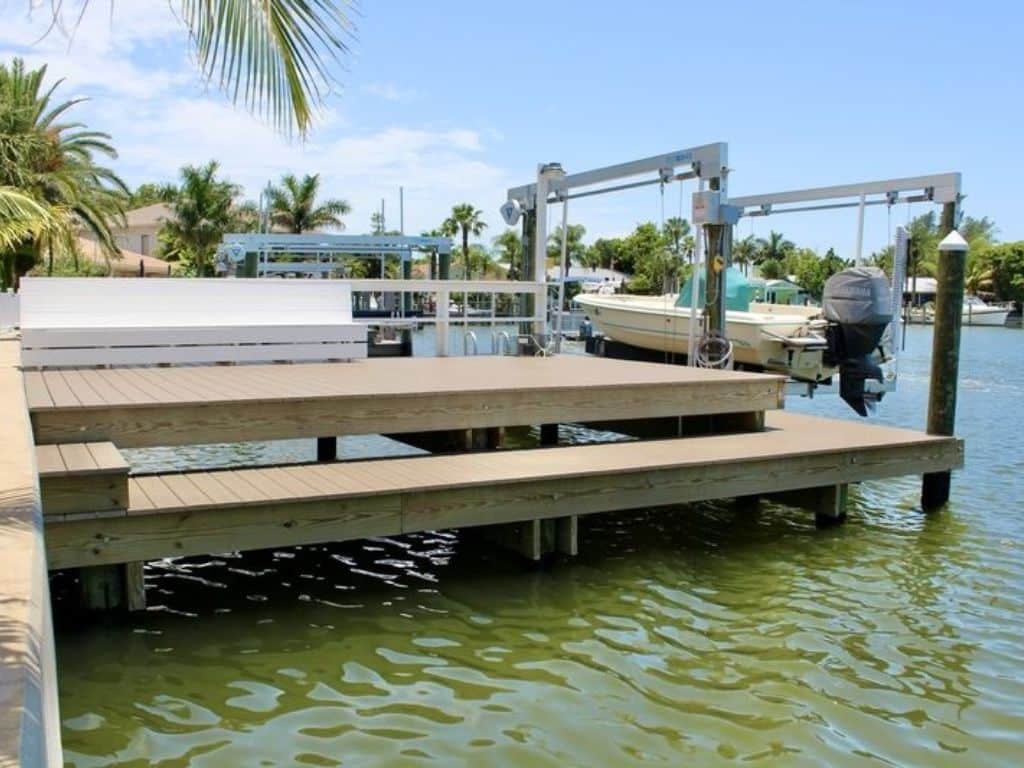
Boat dock decking in coastal regions like Tampa Bay must perform under constant environmental pressure. Saltwater exposure, humidity, heat, and seasonal storms create harsh conditions that quickly damage low-grade materials. Property owners need decking that stays strong, safe, and visually clean over many years of use. Quality marine decking also supports higher property value and better waterfront usability for both residential and commercial docks. Material selection is not only about appearance but also about structural reliability and lifecycle cost. A properly specified boat dock decking system helps prevent premature failure, safety hazards, and repeated repair expenses over time.
Why Marine-Grade Materials Are Necessary For Waterfront Docks
Coastal weather patterns in Tampa Bay create unique stress on dock surfaces throughout the year. Strong sunlight can fade and weaken boards, while salt and moisture speed up corrosion and internal decay. Frequent wet and dry cycles cause expansion and contraction that leads to cracking in weaker decking products. Wave movement and boat traffic also add vibration and load pressure to dock structures. Because of these combined forces, inland decking products often fail faster near the coast. Marine-rated boat dock decking is engineered and tested for waterfront exposure. Choosing coastal-grade materials improves long-term durability and dependable dock performance.
Popular Boat Dock Decking Material Options Today
Several boat dock decking materials are commonly used for saltwater projects, and each option offers different benefits. Pressure-treated lumber is widely used due to lower upfront cost and easy sourcing. It provides treated resistance to insects and decay but still requires regular maintenance near saltwater. Dense hardwood decking delivers greater natural durability and a premium visual finish for upscale docks. Composite boat dock decking is engineered for moisture resistance and consistent board stability. Many Tampa Bay dock owners select composite boards because they resist rot and surface damage. Material choice should match usage level, budget range, and expected lifespan goals.
Composite Vs Wood Dock Decking Performance Differences
Comparing composite and wood boat dock decking helps owners choose based on long-term value instead of only initial price. Wood decking provides a natural look and lower starting investment, but it usually needs sealing, staining, and periodic board replacement. In humid coastal climates, maintenance frequency increases and costs add up. Composite decking requires a higher upfront budget but reduces ongoing upkeep significantly. It does not splinter easily and maintains more consistent color under heavy sun exposure. For high-traffic docks and marina environments, composite systems often produce stronger lifecycle returns. Usage intensity and maintenance tolerance should guide the final selection decision.
Key Performance Features To Look For In Dock Decking
Performance specifications should always be reviewed before selecting boat dock decking for coastal installations. Moisture resistance is critical because dock boards face regular wet exposure from tides and spray. Low-absorption materials help prevent swelling, warping, and internal weakening. UV stabilization is equally important for preserving board strength and color under Tampa Bay sunlight. Corrosion-resistant fasteners and compatible hardware extend system life in salt air conditions. Hidden fastening methods can also improve surface finish and reduce trip points. Manufacturer testing data and marine ratings provide helpful proof of reliability. Reviewing technical features leads to smarter, longer-lasting decking investments overall.
Slip Resistance And User Safety On Boat Docks
Safety remains a top priority when selecting boat dock decking for waterfront properties. Wet surfaces naturally increase slip risk, especially in active boating areas. Slip-resistant textures and engineered surface patterns improve traction and help reduce fall incidents. Proper board spacing supports drainage and prevents standing water buildup after rain or wave splash. Structural stability underneath the decking is also essential to prevent board movement and uneven walking surfaces. Edge transitions and connection points should be professionally detailed for safer access paths. A well-designed dock decking system supports safe daily use while maintaining durability under changing weather and waterfront activity conditions.
Professional Boat Dock Decking Solutions In Tampa Bay
Long-lasting boat dock decking depends on both material quality and expert marine construction practices. Structural layout, load planning, permitting requirements, and tidal behavior must all be evaluated before installation begins. Professional marine contractors understand how different decking systems perform in Tampa Bay coastal environments. Speeler Gibson Marine delivers boat dock decking solutions using marine-grade materials and tested installation standards for waterfront durability. Their project approach focuses on performance, safety, and long-term value. Property owners planning dock upgrades or new construction should request a professional assessment and customized decking recommendation.